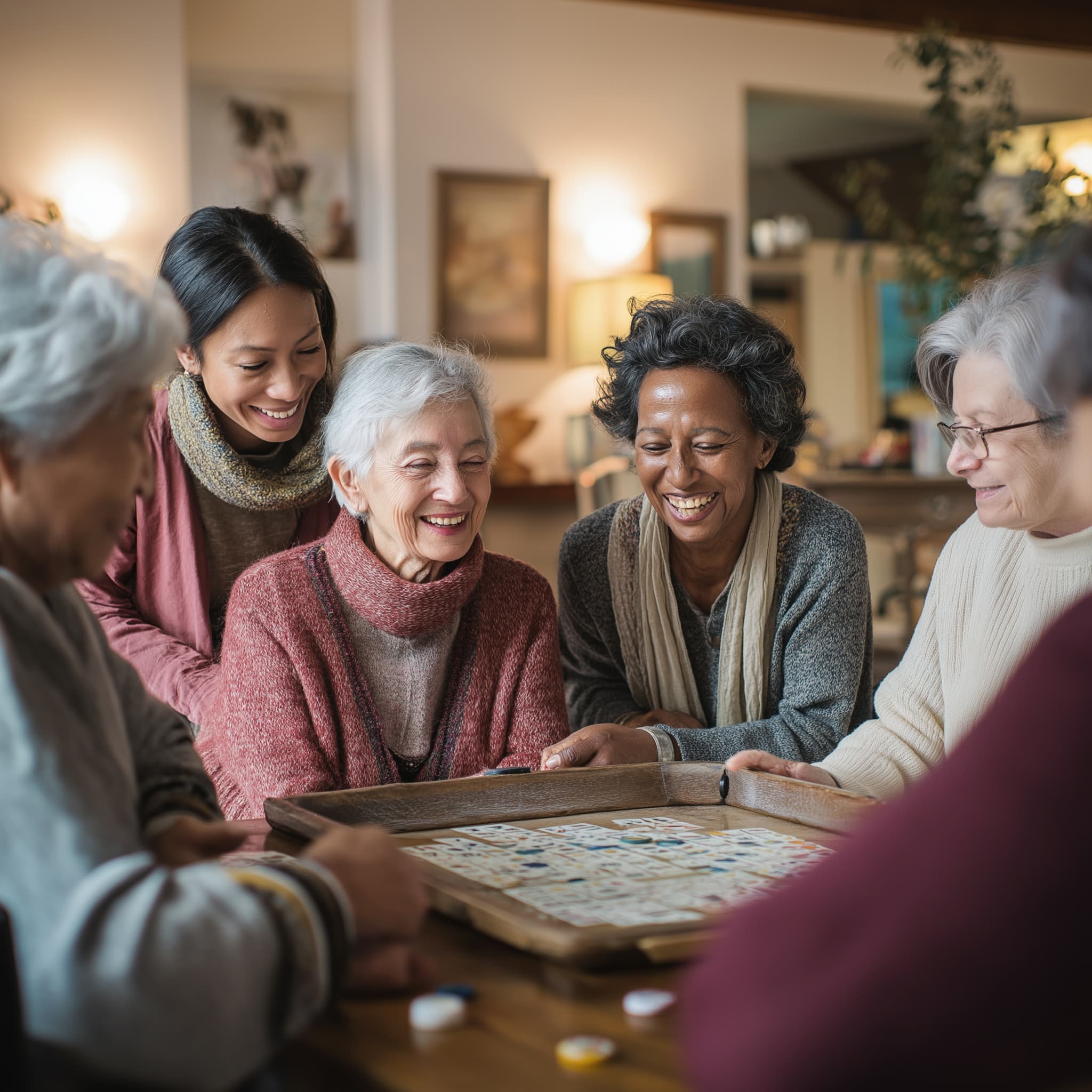
The Impact of Board Games on Cognitive Abilities in Older Adults
As populations around the world continue to age, maintaining cognitive health in later life has become an increasingly important topic. While traditional approaches such as medication, diet, and exercise remain vital, researchers and healthcare professionals are now paying more attention to social and intellectual engagement as a way to preserve brain function. Among the many tools available, one surprisingly powerful ally has emerged: board games.
More than just a pastime, board games are proving to be effective tools for stimulating the mind, promoting social interaction, and supporting emotional well-being in older adults. In this article, we’ll explore the cognitive benefits of board games for seniors, examine how they support mental sharpness, and offer suggestions for games that work particularly well with this age group.
Why Cognitive Health Matters with Age
Cognitive decline is a natural part of aging, but the rate and severity of that decline vary from person to person. For some, the process is slow and manageable. For others, it can lead to serious conditions such as dementia or Alzheimer’s disease. While there is currently no cure for these illnesses, numerous studies have shown that engaging in mentally stimulating activities can delay their onset or slow progression.
Keeping the brain active—just like keeping the body active—helps preserve memory, reasoning, processing speed, and problem-solving skills. This is where board games come into play.
How Board Games Boost Cognitive Function
Board games offer a rich combination of cognitive challenges and social interaction. Unlike digital games, which often isolate players or offer one-dimensional interactions, board games typically require memory, planning, critical thinking, and collaboration.
Here’s how they benefit different areas of cognitive functioning:
Memory Enhancement
Many board games require players to recall rules, keep track of cards, or remember previous moves. Games like Memory, Sequence, or Scrabble stimulate both short-term and long-term memory recall, exercising the brain’s storage and retrieval processes.
Problem Solving and Strategic Thinking
Strategic games like Chess, Ticket to Ride, or Carcassonne challenge players to think ahead, plan their moves, and adapt to changing conditions. These games improve mental flexibility, logic, and decision-making skills.
Language and Communication
Games that involve words, such as Boggle, Taboo, or Scattergories, help keep language centers of the brain active. For older adults, maintaining vocabulary and verbal reasoning abilities is particularly beneficial for daily communication and independence.
Math and Numerical Skills
Even simple games that involve counting or number strategy, such as Rummikub, Dominoes, or Yahtzee, engage basic arithmetic and pattern recognition—key functions that often decline with age.
Focus and Attention
Playing a game requires attention to rules, other players’ moves, and timing. This helps older adults practice sustained attention and concentration, often with better results than passive entertainment like watching TV.
The Social Factor: A Mental Health Bonus
In addition to cognitive benefits, board games promote social engagement, which is a crucial component of mental health in older adults. Loneliness and social isolation are known risk factors for depression, cognitive decline, and even physical health problems.
Board games offer opportunities for laughter, conversation, and connection with others—be it family, caregivers, or peers in community centers. Cooperative games, where players work together toward a shared goal, are especially effective in building relationships and enhancing mood.
Games also create a sense of purpose. Setting up a weekly game night or participating in a community game group gives older adults something to look forward to, reinforcing routine and motivation.
Scientific Backing: What the Research Says
Multiple studies support the link between playing board games and maintaining mental acuity. A study published in the journal BMJ Open in 2019 found that people who regularly played board games in their 70s were more likely to have better cognitive test scores later in life. Another long-term French study showed that individuals who played games at least twice a week had a significantly lower risk of developing dementia over a 20-year period.
Cognitive training through games doesn’t replace medical intervention, but it can be a low-cost, enjoyable, and sustainable way to enhance brain health and protect against decline.
Choosing the Right Games for Older Adults
Not every game is ideal for every senior. Here are some key considerations when selecting games for older adults:
- Cognitive Load: Choose games that are mentally stimulating but not overwhelmingly complex. Strike a balance between challenge and accessibility.
- Physical Limitations: Some older adults may have reduced dexterity or vision. Look for games with large print, easy-to-handle pieces, and clear visual design.
- Social Preferences: Introverts may prefer two-player strategy games, while extroverts might enjoy party games or group-based activities.
- Familiarity: Classic games such as Checkers, Bridge, or Backgammon may bring comfort through nostalgia while still offering cognitive engagement.
- Learning Curve: Games with simple rules but deep strategy—like Qwirkle or Blokus—are ideal for keeping interest over time without being frustrating to learn.
Recommendations for Senior-Friendly Games
Here are a few tried-and-true games particularly well-suited for older adults:
- Rummikub – Great for number patterns and sequencing
- Scrabble – Boosts language and vocabulary skills
- Ticket to Ride – Combines planning and geography in an accessible format
- Qwirkle – Easy to learn, hard to master pattern game
- Dominoes – Classic and familiar with strong social appeal
- Carcassonne – Excellent for spatial reasoning and strategy
Final Thoughts
Board games are much more than a source of entertainment for older adults—they are powerful tools for cognitive stimulation, emotional wellness, and social connection. As we look for holistic, enjoyable ways to support aging populations, incorporating board games into daily routines or senior care programs is a simple yet meaningful solution.
Whether played with family at home, in a retirement community, or at a local senior center, board games provide a bridge between fun and function. They keep the brain active, the heart engaged, and the spirit young.
Encouraging older adults to gather around the table, roll the dice, and share a laugh is one of the best moves we can make for healthy aging.